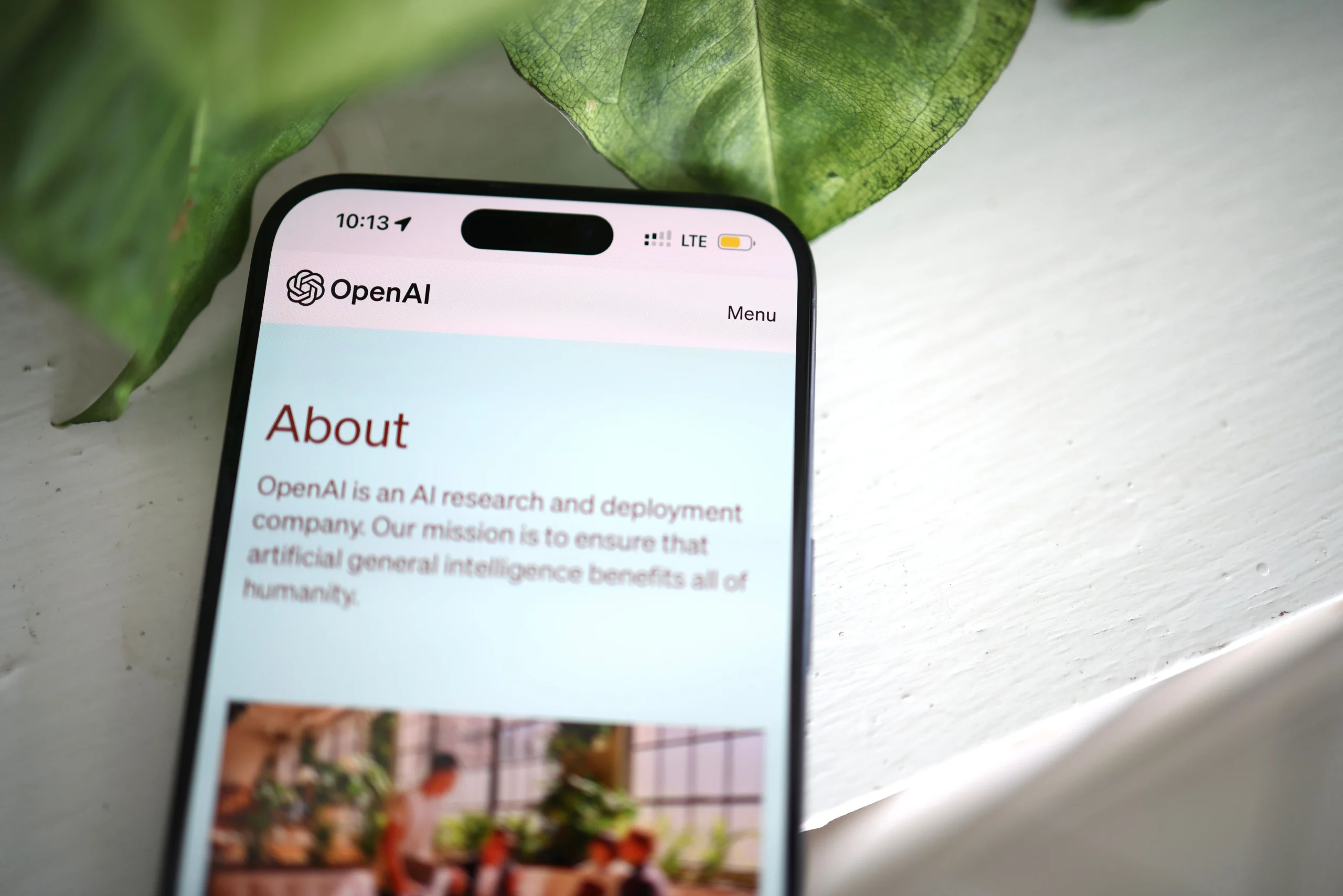
Artificial intelligence is changing the way people search for businesses online. While Google is still the starting point for millions of searches every day, more people are asking ChatGPT, Google AI Overviews, Gemini, Claude, and other AI tools for recommendations instead. Instead of showing a list of websites, these platforms generate answers and often recommend businesses directly. That means it’s no longer enough to simply rank well on Google. Your business also needs to be understood by AI.
What Is AIO?
AIO stands for Artificial Intelligence Optimization. It focuses on making your business easier for AI platforms to understand and reference when answering questions. AI gathers information from many different sources, including your website, Google Business Profile, reviews, blog content, and other trusted websites. The clearer and more complete your online presence is, the more confidence AI has in recommending your business.
Unlike traditional advertising, AIO is not about paying to appear in results. It’s about creating a strong digital foundation that helps AI understand who you are, what you do, and where you serve your customers.
What Is GEO?
GEO stands for Generative Engine Optimization. While AIO is the broader strategy, GEO focuses specifically on optimizing your content for AI generated search results.
Think about the difference between a traditional Google search and an AI search. Instead of typing “website designer Cary NC,” someone might ask, “Who are the best web designers for small businesses in the Triangle?” AI doesn’t simply pull up a list of websites. It evaluates information from multiple sources before generating a recommendation. GEO helps improve the chances that your business becomes part of those conversations.
Why SEO Still Matters
The rise of AI doesn’t mean SEO is disappearing. In many ways, SEO has become even more important because AI relies on many of the same signals that search engines have always used.
A fast website, helpful content, organized page structure, strong local SEO, and a well maintained Google Business Profile all help search engines understand your business. Those same factors also help AI determine whether your business is trustworthy enough to recommend. Businesses that have invested in good SEO over the years are already building a strong foundation for AI search.
How Businesses Show Up In AI Results
AI doesn’t recommend businesses at random. It looks for consistent information across your website and the rest of the internet. It pays attention to the topics you write about, the reviews your customers leave, your business information, and the overall authority of your website.
That means every piece of your online presence matters. Your website should clearly explain your services. Your Google Business Profile should stay updated. Your blog should answer real questions your customers are asking. Together, those signals help AI build confidence in your business.
How Barefoot Build Approaches AIO & GEO
At Barefoot Build, we see AIO and GEO as natural extensions of good SEO rather than completely separate services. Our goal has always been to help businesses build a stronger online presence, and AI search is simply another place where that work pays off.
Our approach combines traditional SEO with AI optimization through website improvements, Google Business Profile management, blog writing, landing pages, content strategy, and ongoing optimization. Rather than chasing trends, we focus on creating a website and online presence that continues to perform as search evolves.
Preparing Your Business For The Future Of Search
AI search is still evolving, but one thing is already clear. Businesses with helpful content, technically sound websites, and consistent online information are in the best position to succeed.
Whether someone finds you through Google Search, Google AI Overviews, ChatGPT, or another AI platform, the goal remains the same: make it easy for people to discover your business and trust what they find.
If you’re ready to strengthen your online visibility, take a look at our AI Optimization (AIO/GEO) Services page to learn how we help businesses prepare for the future of search.
FAQ’s:
- What is the difference between SEO and GEO? SEO focuses on helping websites rank in traditional search engines such as Google. GEO focuses on helping AI platforms like ChatGPT, Gemini, and Perplexity understand and recommend your business when users ask questions.
- Does GEO replace SEO? No! GEO and SEO work together. Strong SEO provides the foundation that helps search engines understand your website, while GEO helps improve visibility in AI generated search experiences.
- How often should a website receive GEO updates? Most small businesses benefit from reviewing GEO performance quarterly. This allows websites to adapt as AI search platforms and search engine algorithms continue to evolve.
- Does Barefoot Build include GEO in website builds? Yes. Every website we build includes foundational elements that support both SEO and AI visibility, including structured content, internal linking, schema markup, mobile optimization, and local SEO best practices.
Artificial intelligence is changing the way people search for businesses online. While Google is still the starting point for millions of searches every day, more people are asking ChatGPT, Google AI Overviews, Gemini, Claude, and other AI tools for recommendations instead. Instead of showing a list of websites, these platforms generate answers and often recommend businesses directly. That means it’s no longer enough to simply rank well on Google. Your business also needs to be understood by AI.
What Is AIO?
AIO stands for Artificial Intelligence Optimization. It focuses on making your business easier for AI platforms to understand and reference when answering questions. AI gathers information from many different sources, including your website, Google Business Profile, reviews, blog content, and other trusted websites. The clearer and more complete your online presence is, the more confidence AI has in recommending your business.
Unlike traditional advertising, AIO is not about paying to appear in results. It’s about creating a strong digital foundation that helps AI understand who you are, what you do, and where you serve your customers.
What Is GEO?
GEO stands for Generative Engine Optimization. While AIO is the broader strategy, GEO focuses specifically on optimizing your content for AI generated search results.
Think about the difference between a traditional Google search and an AI search. Instead of typing “website designer Cary NC,” someone might ask, “Who are the best web designers for small businesses in the Triangle?” AI doesn’t simply pull up a list of websites. It evaluates information from multiple sources before generating a recommendation. GEO helps improve the chances that your business becomes part of those conversations.
Why SEO Still Matters
The rise of AI doesn’t mean SEO is disappearing. In many ways, SEO has become even more important because AI relies on many of the same signals that search engines have always used.
A fast website, helpful content, organized page structure, strong local SEO, and a well maintained Google Business Profile all help search engines understand your business. Those same factors also help AI determine whether your business is trustworthy enough to recommend. Businesses that have invested in good SEO over the years are already building a strong foundation for AI search.
How Businesses Show Up In AI Results
AI doesn’t recommend businesses at random. It looks for consistent information across your website and the rest of the internet. It pays attention to the topics you write about, the reviews your customers leave, your business information, and the overall authority of your website.
That means every piece of your online presence matters. Your website should clearly explain your services. Your Google Business Profile should stay updated. Your blog should answer real questions your customers are asking. Together, those signals help AI build confidence in your business.
How Barefoot Build Approaches AIO & GEO
At Barefoot Build, we see AIO and GEO as natural extensions of good SEO rather than completely separate services. Our goal has always been to help businesses build a stronger online presence, and AI search is simply another place where that work pays off.
Our approach combines traditional SEO with AI optimization through website improvements, Google Business Profile management, blog writing, landing pages, content strategy, and ongoing optimization. Rather than chasing trends, we focus on creating a website and online presence that continues to perform as search evolves.
Preparing Your Business For The Future Of Search
AI search is still evolving, but one thing is already clear. Businesses with helpful content, technically sound websites, and consistent online information are in the best position to succeed.
Whether someone finds you through Google Search, Google AI Overviews, ChatGPT, or another AI platform, the goal remains the same: make it easy for people to discover your business and trust what they find.
If you’re ready to strengthen your online visibility, take a look at our AI Optimization (AIO/GEO) Services page to learn how we help businesses prepare for the future of search.
FAQ’s:
- What is the difference between SEO and GEO? SEO focuses on helping websites rank in traditional search engines such as Google. GEO focuses on helping AI platforms like ChatGPT, Gemini, and Perplexity understand and recommend your business when users ask questions.
- Does GEO replace SEO? No! GEO and SEO work together. Strong SEO provides the foundation that helps search engines understand your website, while GEO helps improve visibility in AI generated search experiences.
- How often should a website receive GEO updates? Most small businesses benefit from reviewing GEO performance quarterly. This allows websites to adapt as AI search platforms and search engine algorithms continue to evolve.
- Does Barefoot Build include GEO in website builds? Yes. Every website we build includes foundational elements that support both SEO and AI visibility, including structured content, internal linking, schema markup, mobile optimization, and local SEO best practices.