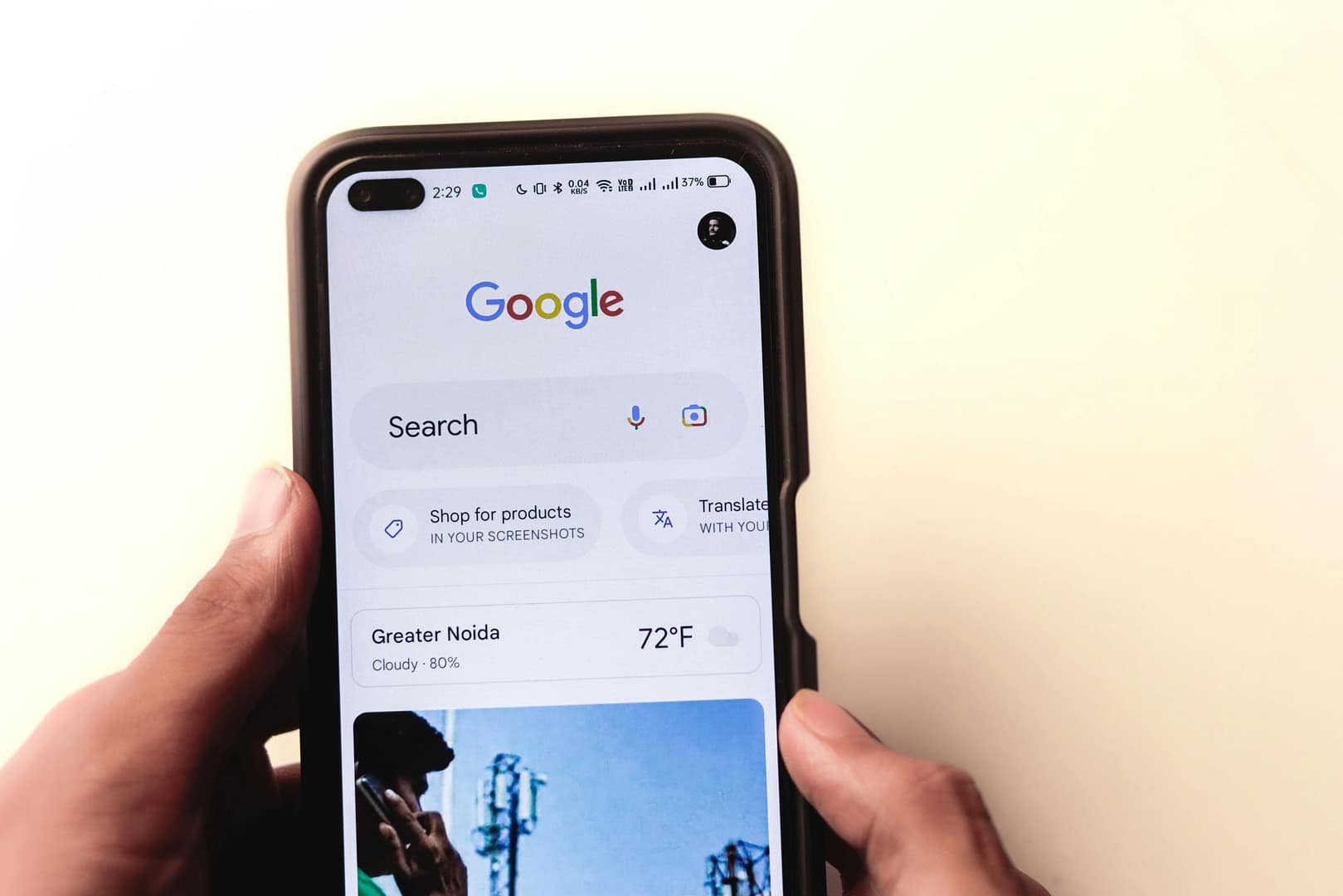

Search engine optimization (SEO) helps your business show up in search results when people look for the services or products you offer. For small businesses a well-structured SEO foundation increases visibility attracts the right visitors and supports long-term growth.
What SEO Means for Small Businesses
SEO is the process of improving your website so search engines like Google can understand what you offer. It involves optimizing your site’s structure content and technical elements so it ranks higher for relevant searches. When done well SEO can increase organic traffic and help you reach more potential customers without paid ads.
SEO isn’t instant. It’s a continuous effort that builds over time. But even basic optimization can help your small business appear for searches people already do every day.
Key SEO Practices Small Businesses Should Follow
- Provide Clear and Relevant Content: Make sure the text on your website describes what your business does in a way that real people would search for it. Good content should answer common questions your customers have and reflect the language they use. This helps search engines match your site to relevant queries.
- Use Descriptive Page Titles and Meta Descriptions: Every page on your website should have a unique page title and meta description that clearly describes the page’s content. These elements show up in search results and help search engines understand what your page is about.
- Include Helpful Keywords Naturally: Keywords are the words people type into search engines. Use relevant keywords in your headings content URLs and image alt text. Avoid keyword stuffing. Instead focus on writing naturally for your audience while including phrases they are likely to search for.
- Optimize for Local Search: Many small businesses serve a specific location. If this is true for you, include your city or region in key areas like page titles headings and contact information. Also claim and optimize your Google Business Profile so your business shows up in local search and Google Maps.
- Make Your Site Mobile Friendly and Fast: Search engines prioritize fast and mobile-friendly websites. A site that works well on phones and tablets not only improves user experience but also supports better rankings in search results. Tools like Google PageSpeed Insights can help you identify performance issues.
Technical SEO Basics
Technical SEO refers to behind-the-scenes elements that help search engines crawl and understand your site. This includes structured navigation logical site architecture and proper URL structure. Good technical setup ensures search engines index your content correctly and improves overall visibility in search.
Monitor and Measure Your SEO
Tracking performance with tools like Google Analytics and Google Search Console gives insight into how people find and use your website. These tools help you measure traffic trends monitor search terms and identify pages that need improvement.
Why Consistency Matters
SEO requires ongoing attention. Search engines update their algorithms, competitors refine their strategies and customer behavior evolves. Periodically reviewing your content and optimization ensures your website stays relevant and discoverable.
Final Thoughts
SEO is a long-term investment that makes your business more visible to people actively searching for what you offer. Starting with clear content, basic optimization and a mobile-friendly site sets a strong foundation that can grow with your business. Over time, these practices help you attract more organic traffic, improve trust and make it easier for customers to find you online.
Search engine optimization (SEO) helps your business show up in search results when people look for the services or products you offer. For small businesses a well-structured SEO foundation increases visibility attracts the right visitors and supports long-term growth.
What SEO Means for Small Businesses
SEO is the process of improving your website so search engines like Google can understand what you offer. It involves optimizing your site’s structure content and technical elements so it ranks higher for relevant searches. When done well SEO can increase organic traffic and help you reach more potential customers without paid ads.
SEO isn’t instant. It’s a continuous effort that builds over time. But even basic optimization can help your small business appear for searches people already do every day.
Key SEO Practices Small Businesses Should Follow
- Provide Clear and Relevant Content: Make sure the text on your website describes what your business does in a way that real people would search for it. Good content should answer common questions your customers have and reflect the language they use. This helps search engines match your site to relevant queries.
- Use Descriptive Page Titles and Meta Descriptions: Every page on your website should have a unique page title and meta description that clearly describes the page’s content. These elements show up in search results and help search engines understand what your page is about.
- Include Helpful Keywords Naturally: Keywords are the words people type into search engines. Use relevant keywords in your headings content URLs and image alt text. Avoid keyword stuffing. Instead focus on writing naturally for your audience while including phrases they are likely to search for.
- Optimize for Local Search: Many small businesses serve a specific location. If this is true for you, include your city or region in key areas like page titles headings and contact information. Also claim and optimize your Google Business Profile so your business shows up in local search and Google Maps.
- Make Your Site Mobile Friendly and Fast: Search engines prioritize fast and mobile-friendly websites. A site that works well on phones and tablets not only improves user experience but also supports better rankings in search results. Tools like Google PageSpeed Insights can help you identify performance issues.
Technical SEO Basics
Technical SEO refers to behind-the-scenes elements that help search engines crawl and understand your site. This includes structured navigation logical site architecture and proper URL structure. Good technical setup ensures search engines index your content correctly and improves overall visibility in search.
Monitor and Measure Your SEO
Tracking performance with tools like Google Analytics and Google Search Console gives insight into how people find and use your website. These tools help you measure traffic trends monitor search terms and identify pages that need improvement.
Why Consistency Matters
SEO requires ongoing attention. Search engines update their algorithms, competitors refine their strategies and customer behavior evolves. Periodically reviewing your content and optimization ensures your website stays relevant and discoverable.
Final Thoughts
SEO is a long-term investment that makes your business more visible to people actively searching for what you offer. Starting with clear content, basic optimization and a mobile-friendly site sets a strong foundation that can grow with your business. Over time, these practices help you attract more organic traffic, improve trust and make it easier for customers to find you online.